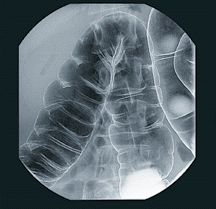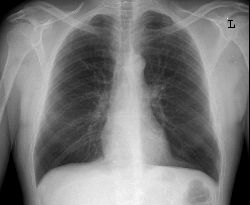
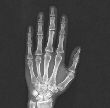

X-ray imaging is one of the fastest and easiest ways for a physician to view the internal organs and structures of the body. X-ray imaging has been available for 100 years and is an excellent tool for assessing skeletal trauma (e.g. broken bones), for diagnosing the gastro-intestinal system (digestive tract), for high resolution diagnostic imaging of the breasts (mammography), and for comprehensive imaging of the thoracic cavity including the lungs and heart. A host of other applications for x-ray imaging are also available including imaging the kidneys, teeth and jaws, and the fine structures of the ear, nose and throat. X-ray diagnostic imaging still comprises a majority of all diagnostic procedures done on a worldwide annual basis.
Specialized x-ray imaging is the fundamental basis of screening and diagnostic mammography, used to detect and guide treatment of breast cancer. Conventional x-ray imaging still plays an important role in the detection, diagnosis and treatment of heart disease and heart attack.